
-
3 Pcs Covalt Spay Hook Set Veterinary Surgical Instruments
Regular price $17.99 USDRegular priceUnit price per$21.05 USDSale price $17.99 USDSale -
3 Pcs IUD Extractor Hook Set – Gynecology Surgical Instruments | German Grade
Regular price $11.99 USDRegular priceUnit price per$14.03 USDSale price $11.99 USDSold out -
3 Pcs Meyhoefer Chalazion Curette Set - 5" Surgical & ENT Instruments
Regular price $40.99 USDRegular priceUnit price per$51.37 USDSale price $40.99 USDSale -
4 Pc Neurological Hammer Diagnostic Set — Chiropractic & Physical Therapy Reflex Tools
Regular price $24.99 USDRegular priceUnit price per$39.73 USDSale price $24.99 USDSale -
5 Pcs Tuning Forks Set - Chiropractor Instruments, Aluminum Alloy
Regular price $19.99 USDRegular priceUnit price per$23.39 USDSale price $19.99 USDSale -
6 Pcs Fox Dermal Curettes Set 1–6 mm - ENT & Dermatology Surgical Instruments
Regular price $13.99 USDRegular priceUnit price per$16.37 USDSale price $13.99 USDSale -
7 Pcs Hibbs Osteotome Set - Premium Orthopedic Surgical Instruments
Regular price $52.99 USDRegular priceUnit price per$64.92 USDSale price $52.99 USDSale -
7 Pcs Hohmann Retractor Set - Premium Surgical Orthopedic Instruments
Regular price $135.99 USDRegular priceUnit price per$159.11 USDSale price $135.99 USDSale -
8 Pc Microsurgery Instruments Set - Precision Dental & Surgical Micro Instruments
Regular price $61.93 USDRegular priceUnit price per$78.41 USDSale price $61.93 USDSale -
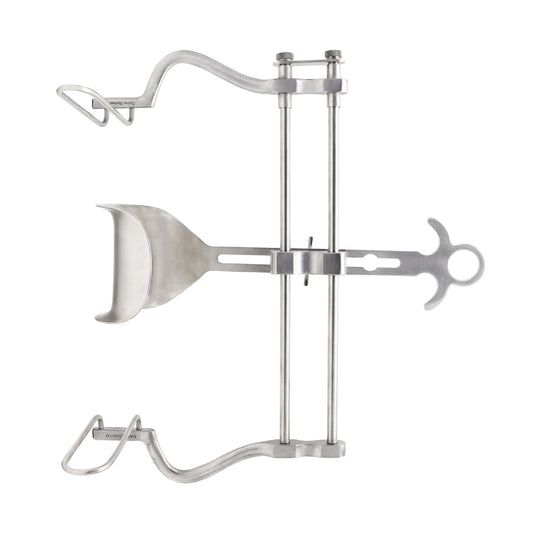
Abdominal Balfour Retractor 10" - Surgical Grade Stainless Steel
Regular price $81.99 USDRegular priceUnit price per$95.32 USDSale price $81.99 USDSale -
Allis Forceps 9.5 – 4:5 Teeth Surgical Instrument
Regular price $24.99 USDRegular priceUnit price per -
Apical Elevator Set of 4
Regular price $21.99 USDRegular priceUnit price per$29.22 USDSale price $21.99 USDSale -
Atrauma Peripheral Vascular Clamp – DeBakey Pattern | Titanium-Coated | 12cm | 2.4mm Jaw
Regular price $8.62 USDRegular priceUnit price per -
AUFRICHT Glabellar Rasp 8.25" (21cm) – Curved Blade | Rhinoplasty Surgical Instrument
Regular price $15.31 USDRegular priceUnit price per$22.89 USDSale price $15.31 USDSale -
Auvard Weighted Vaginal Speculum - 3 lbs | OB/GYN Surgical Instrument
Regular price $65.99 USDRegular priceUnit price per$79.45 USDSale price $65.99 USDSale -
Bandage Scissors 23cm - Long Lister Style Medical Scissors
Regular price $22.99 USDRegular priceUnit price per$26.90 USDSale price $22.99 USDSale




Surgical Instruments
Explore a carefully selected range of stainless steel tools for hospitals, clinics, surgery tools, surgical centers, and specialty practices. Our collection covers everyday operating-room essentials as well as specialized tools for different clinical procedures.
Explore by Type
Choose from surgery tools, forceps forceps, scissors, retractors, clamps, bone rongeurs, curettes, needle holders, hooks, and complete instrument sets. Each product includes specifications such as size, design, material, and working-end details to help you select the right option for your needs.
For Different Specialties
Our selection includes tools used in general surgery, orthopedics, gynecology, ENT, ophthalmology, plastic surgery, and other specialty procedures. Browse individual pieces or sets based on the procedure, instrument pattern, and size you require.
From everyday forceps and scissors to specialized retractors and bone instruments, Intubation Healthcare makes it easy to compare options and find the right tools for your practice.
Frequently Asked Questions
What types of instruments are available in this collection?
The collection includes forceps, scissors, retractors, bone rongeurs, curettes, hooks, clamps, pliers, electrodes, gynecology instruments, and specialty instrument sets for different clinical applications.
What is the difference between tissue forceps and dressing forceps?
Tissue forceps are generally designed with teeth or specialized jaws for controlled tissue handling, while dressing forceps typically have smoother tips for handling dressings, gauze, and delicate materials.
What is the difference between Adson and Allis forceps?
Adson forceps are compact instruments commonly available with fine or toothed tips for controlled handling. Allis forceps have interlocking teeth designed to provide a firmer grip. The appropriate pattern depends on the intended application.
What should I consider when choosing surgical scissors?
Consider the blade length, overall size, straight or curved pattern, tip configuration, and intended application. Different scissors are designed for different cutting and handling requirements.
What are bone rongeurs used for?
Bone rongeurs are designed to remove or trim small portions of bone during appropriate surgical procedures. Different jaw sizes and handle configurations provide different levels of access and control.
What is the difference between a rongeur and an osteotome?
A rongeur uses a jaw mechanism to bite or remove small portions of bone, while an osteotome is a cutting instrument used to cut or shape bone with controlled force.
What are surgical retractors used for?
Retractors are designed to hold tissue or anatomical structures away from the working area to improve access and visibility. Different retractor designs are intended for different surgical applications.
What is the difference between a Balfour and Hohmann retractor?
A Balfour retractor is a self-retaining abdominal retractor with adjustable blades, while a Hohmann retractor is commonly used for tissue or bone retraction, particularly in orthopedic applications.
Are there instruments specifically for gynecology?
Yes. The collection includes gynecology products such as IUD extractor hooks, Auvard weighted vaginal speculums, and other specialty instruments designed for gynecological applications.
What are curettes used for?
Curettes have a small loop, spoon, or similarly shaped working end and are used for controlled scraping or removal of tissue or material where their specific design is appropriate.
Are vascular clamps different from general clamps?
Yes. Vascular clamps have specialized jaw patterns and configurations intended for applications involving blood vessels. The appropriate design depends on the procedure and required level of control.
Do you offer complete instrument sets?
Yes. Selected sets are available with multiple coordinated instruments, including retractor sets, osteotome sets, curette sets, and other specialty configurations. Please review each listing for the complete contents.
How do I choose between an individual instrument and a set?
An individual instrument is useful when replacing or adding a specific item to an existing inventory. A set may be more practical when several related instruments are needed together.
What should I check before ordering?
Check the exact instrument pattern, working-end design, length, jaw or tip configuration, material, quantity, and intended application. For sets, review the complete list of included instruments before ordering.